Biomass is worldwide the most important renewable energy source. Brazil with its big agriculture and forestry industries, and extensive stock farming produce vegetable crop and organic residuals materials that are really benefited by the use of biomass.
A good solar irradiation and fertile soil are providing good conditions for the cultivation of biomass to energy production. Primarily, the power generation in the industry is the biggest application. In the Amazon region or in remote electrifications areas this kind of energy generation represents the only possibility.
Biomass (liquid)
Ethanol is the most well-known biomass product of Brazil (sugarcane - saccharose). The program Proálcool (Ethanol to fuel) was started through the oil crisis in the 70s. The production of vehicles which operated with alcohol and flex-fuel is about 53% (2006) in Brazil, compared to gasoline motors with 37, 4%. Through with the steady rise of the price of oil price this tendency will further escalate.
Biodiesel: At the beginning of 2008 the Brazilian government approved a rise of 2% in mandatory blending of biodiesel to common diesel. Until 2013 the percentage should rise to 5%. Biodiesel is made basically of soy beans, but also from vegetable oil (e.g. ricinus oil, sun flower oil, palm oil) or animal fats are used. Through the economic support program (Programa Nacional de Produção e Uso de Biodiesel) small agricultural enterprise are to motivated to the production of alternative fuel. Regulatory authorities issued the seal of quality (Combustível Social) to certified companies, and the sale will be granted for tax concessions.
Biomass (gas)
For biogasification with urban waste from industrial and agricultural residues or through fermentation of dung, crop and animal waste, methane gas can be generated. In areas with lacking energy infrastructure, the use of micro turbines has been established in small projects.
Biomass (firm)
Wood, charcoal and sugar cane cellulose play a big role in Brazil. They have big importance as energy sources particularly in the industrial sector.
Under environmental criteria, especially in the Amazon basin, wood is problematic, because of the use as a direct combustible or as charcoal processed for industrial use. Wood and charcoal contribute still a large part of 12.6% of the entire energy generation in Brazil.
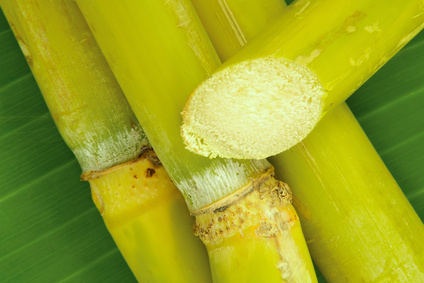
Sugarcane: The production of electricity through sugarcane bagasse has the best biomass potential. The potential of generating energy with use of sugar cane residues is estimated about 6.000MW.
According the Proinfa program (EEG), Brazil should install until the end of 2008 energy generation capacities of approximately 1.100MW of base of biomass.
However, through insufficient projects this number will not be reached. This will be changed in the future. Through optimal conditions in the next years, biomass will play an important role in the power generation.
Through further developments, for foreign companies such as equipment manufacturer and supplier, system integrator or planers are very good opportunities resulting in an upcoming big market.
|
|